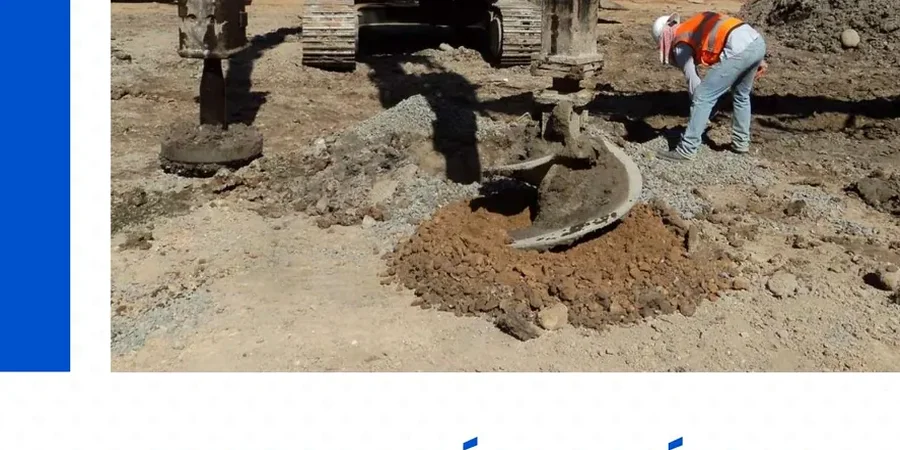
Ground improvement in Coffs Harbour encompasses a suite of geotechnical engineering techniques designed to enhance the load-bearing capacity, stability, and settlement characteristics of weak or compressible soils. This category is critical for transforming marginal land into viable construction platforms, ensuring the safety and longevity of infrastructure in a region where coastal plains and flood-prone areas present significant subsurface challenges. From residential subdivisions to commercial hubs and public infrastructure, the need to mitigate poor ground conditions is a recurring theme. Techniques such as stone column design, grouting design, and preloading with surcharge design form the backbone of modern ground treatment strategies, each tailored to specific soil profiles and project demands.
The geology of Coffs Harbour is dominated by the Coffs Harbour Association, a complex sequence of Palaeozoic metasediments including greywacke, siltstone, and shale, deeply weathered in many areas to form residual clay soils of variable consistency. These residual profiles, often over 10 metres thick, exhibit low to medium plasticity and are prone to softening when wet, leading to differential settlement issues. Along the coastal fringe and in the lower reaches of the Coffs Creek and Boambee Creek floodplains, Quaternary alluvial deposits of soft, saturated silty clays and loose sands are prevalent. These Holocene sediments can have undrained shear strengths below 20 kPa, making them highly compressible and unsuitable for conventional shallow foundations without prior treatment. The high rainfall environment, exceeding 1,700 mm annually, exacerbates these conditions by maintaining elevated groundwater tables, which complicates excavation and increases the risk of post-construction settlement.
Regulatory compliance in Australia is governed by a hierarchy of standards, with AS 4678-2002 (Earth-retaining structures) and the AS 2159-2009 (Piling – Design and installation) providing critical design parameters for ground improvement works. However, for general earthworks and treatment of soft soils, the overarching framework is the AS 3798-2007 (Guidelines on earthworks for commercial and residential developments), which mandates performance-based criteria for fill compaction, settlement tolerances, and bearing capacity. In Coffs Harbour, the City Council's Development Control Plan and Engineering Guidelines impose additional local requirements, particularly for sites within identified flood hazard areas or on slopes exceeding 15%. Geotechnical investigations must adhere to AS 1726-2017 (Geotechnical site investigations), ensuring that the design of any landfill geotechnics solution or improvement scheme is based on a robust factual and interpretive ground model, with a minimum factor of safety against bearing failure typically set at 3.0 for static conditions.
Projects requiring ground improvement in Coffs Harbour are diverse. Residential estates on former agricultural land often necessitate preloading with vertical drains to accelerate consolidation of soft clays before slab-on-ground construction. Commercial developments, such as the Coffs Central shopping centre expansion, frequently encounter variable fill and require rigid inclusions or controlled modulus columns to limit total and differential settlements to acceptable limits. Infrastructure projects, including the Pacific Highway upgrade bypass, have historically relied on deep soil mixing and stone columns to stabilise embankments over swampy terrain. Landfill geotechnics is another critical application, where improvement of basal liners and capping layers is essential to meet EPA NSW environmental guidelines for containment. In all cases, the selection of the appropriate technique hinges on a detailed cost-benefit analysis that weighs construction timeframes against long-term performance.
Ground improvement refers to engineering techniques that modify the physical properties of soil to increase bearing capacity, reduce settlement, or mitigate liquefaction potential. It becomes necessary in Coffs Harbour when site investigations reveal soft alluvial clays, loose sands, or uncontrolled fill that cannot safely support structural loads without treatment, as required by AS 3798-2007 performance criteria.
The deeply weathered metasediments and saturated Holocene alluvium common in Coffs Harbour dictate method selection. Thick, soft clays respond well to preloading with vertical drains, while loose sandy profiles are better suited to vibro-compaction or grouting. The high groundwater table often makes stone columns a preferred solution due to their dual drainage and reinforcement function.
Typical projects include residential subdivisions on floodplain land, commercial buildings on variable fill sites, highway embankments over swampy terrain, and landfill cell construction. Each demands a tailored approach, from rigid inclusions for settlement-sensitive structures to deep soil mixing for stability of large earthworks, all complying with local council engineering guidelines.
Duration varies significantly with the technique: surcharge preloading can take 6 to 18 months depending on clay thickness and drainage path length, while stone column installation might be completed in weeks. Key factors include soil permeability, groundwater conditions, required depth of treatment, and weather windows, as Coffs Harbour's high rainfall can delay earthworks.